
“Astrology & LMT Adjustments: How Longitude Shapes Birth Charts”
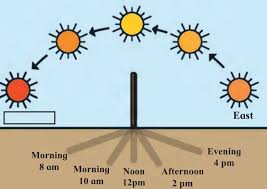
🕰 Local Mean Time (LMT) Explained with India as an Example Local Mean Time (LMT) is the time based on the longitude of a specific location rather than a standardized time zone. It was widely used before the adoption of standard time zones, especially in astrology and astronomical calculations. 📌 Key Concepts of Local Mean […]
“Planetary Time Conversions: Adjusting Positions Across Time Zones”

Detailed Explanation of Time Zones Time zones exist to standardize time across different regions of the world based on the Earth’s rotation. They ensure that local times align with the position of the Sun, preventing inconsistencies in daily life and commerce. 1. The Concept of Time Zones 2. Coordinated Universal Time (UTC) 3. Daylight Saving […]
Understanding Time Zones, Eras, and Ayanas in Vedic Astrology
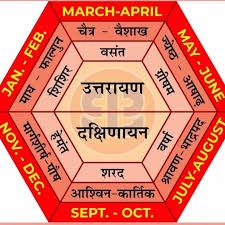
Let’s explore these concepts in detail, as per Indian Vedic astrology, with examples to make them clearer: Zonal Standard Time & Time Zone: Days, Months, and Years: Other Eras: Ayanas: These divisions of time reflect the precision and depth of Vedic astrology, connecting celestial movements with human life.
GMT (Greenwich Mean Time) and UTC (Coordinated Universal Time)
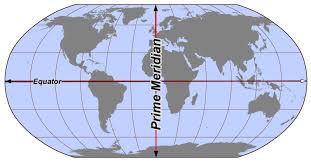
GMT (Greenwich Mean Time) and UTC (Coordinated Universal Time) are closely related concepts used for global timekeeping, but they have distinct characteristics. Greenwich Mean Time (GMT): Coordinated Universal Time (UTC): Key Difference: Example: If the current UTC time is 12:00, GMT will also be 12:00, but during daylight saving time, countries using GMT may switch […]
Longitude & Time
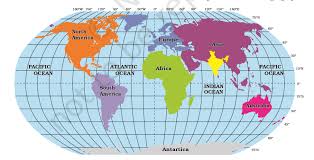
Longitude and time are closely interconnected due to the Earth’s rotation. Here’s how they relate: Key Concepts: Examples: This relationship between longitude and time is fundamental for navigation, timekeeping, and global coordination.
“Modern Measurement of Time and its Connection with Degrees, Minutes, and Signs in Vedic Astrology”
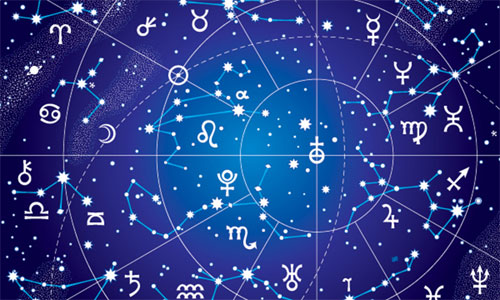
In modern Vedic astrology, the measurement of time in minutes, hours, and seconds is intricately connected to the celestial system of degrees, minutes, and signs. Here’s how they relate: Time and Degrees in Astrology: Connection Between Time and Degrees: Practical Example: Application in Astrology: This precise connection between time and degrees ensures that Vedic astrology […]
Concept of Adhika Maas & Kshaya Maas
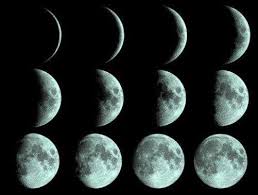
In Indian Vedic astrology, Adhika Maas and Kshaya Maas are unique concepts related to the alignment of the lunar and solar calendars. Let me break them down for you: Adhika Maas (Extra Month): Adhika Maas, also known as the intercalary or extra month, is added to the Hindu lunar calendar approximately every 32.5 months. This […]
Lunar Metrics, Tropical Metrics

In Indian Vedic astrology, Lunar Metrics and Tropical Metrics are two distinct systems used to measure time and celestial influences. Let me explain each in detail: Lunar Metrics: Lunar metrics are based on the Moon’s movement and its phases. This system is central to Indian Vedic astrology, as the Moon is considered a key indicator […]
Sidereal Metrics

Sidereal metrics in Indian Vedic astrology refer to the system of measuring celestial positions based on the actual location of stars and constellations in the sky. Unlike the tropical zodiac used in Western astrology, which is tied to the Earth’s seasons, the sidereal zodiac accounts for the gradual shift of the Earth’s axis over time […]
Hindu measurement of Time
Let’s explore the Hindu time measurement system of Ghati, Pal, and Vipal in greater detail, alongside more examples and comparisons to English time systems. Here’s a comprehensive breakdown: Hindu Units of Time Comparison Table: Hindu vs. English Time Hindu Unit Equivalent in English Time Examples in English 1 Vipal 1/2.5 seconds 10 Vipals = 4 […]